mirror of
https://github.com/bellingcat/octosuite.git
synced 2026-06-10 20:38:34 +03:00
Compare commits
15 Commits
| Author | SHA1 | Date | |
|---|---|---|---|

|
9b0f490089 | ||
|
|
d9e2dae71d | ||
|
|
0c06b95d18 | ||
|
|
ba8ed6bd4e | ||
|
|
86d0112691 | ||
|
|
39f82ad775 | ||
|
|
b5ee95db2b | ||
|
|
77efa0982f | ||
|
|
38a9a4b6b3 | ||
|
|
ab3cc398d0 | ||
|
|
0a453dade6 | ||
|
|
66abbcbef6 | ||
|
|
04e35dbc98 | ||
|
|
f4d7fa81b8 | ||
|
|
7bf04cffd4 |
67
README.md
67
README.md
@@ -1,4 +1,4 @@
|
||||

|
||||

|
||||
|
||||
TUI-based toolkit for GitHub data analysis.
|
||||
|
||||
@@ -7,6 +7,7 @@ TUI-based toolkit for GitHub data analysis.
|
||||

|
||||

|
||||

|
||||
[](https://github.com/bellingcat/octosuite/actions/workflows/codeql.yml)
|
||||

|
||||
|
||||
## Overview
|
||||
@@ -16,11 +17,56 @@ repositories, organizations, and search across GitHub's platform.
|
||||
|
||||
## Features
|
||||
|
||||
- **User Data** - View profiles, repositories, followers, organizations, and activity, e.t.c.
|
||||
- **Repository Data** - Access repository details, commits, issues, releases, and contributors
|
||||
- **Organisation Data** - Explore organisation profiles, members, and repositories
|
||||
- **Search** - Search across repositories, users, commits, issues, and topics
|
||||
- **Export** - Save data in JSON, CSV, or HTML formats
|
||||
<details>
|
||||
<summary><strong>See details</strong></summary>
|
||||
|
||||
- **User** - Get user data
|
||||
- Profile
|
||||
- Repositories
|
||||
- Subscriptions
|
||||
- Starred
|
||||
- Followers
|
||||
- Following
|
||||
- Organizations
|
||||
- Gists
|
||||
- Events
|
||||
- Received Events
|
||||
- **Repository** - Get repository data
|
||||
- Profile
|
||||
- Forks
|
||||
- Issues
|
||||
- Issue Events
|
||||
- Events
|
||||
- Assignees
|
||||
- Branches
|
||||
- Tags
|
||||
- Languages
|
||||
- Stargazers
|
||||
- Subscribers
|
||||
- Commits
|
||||
- Comments
|
||||
- Releases
|
||||
- Deployments
|
||||
- Labels
|
||||
- **Organisation** - Get organisation data
|
||||
- Profile
|
||||
- Repositories
|
||||
- Events
|
||||
- Hooks
|
||||
- Issues
|
||||
- Members
|
||||
- **Search** - Search GitHub
|
||||
- Repositories
|
||||
- Users
|
||||
- Commits
|
||||
- Issues
|
||||
- Topics
|
||||
- **Export** - Export data
|
||||
- JSON
|
||||
- CSV
|
||||
- HTML
|
||||
|
||||
</details>
|
||||
|
||||
## Installation
|
||||
|
||||
@@ -50,17 +96,20 @@ octosuite
|
||||
```
|
||||
|
||||
> [!Note]
|
||||
> You can run octosuite with commands `octosuite`, or `ocs`
|
||||
> You can then run octosuite with command `octosuite`
|
||||
|
||||
## Usage
|
||||
|
||||
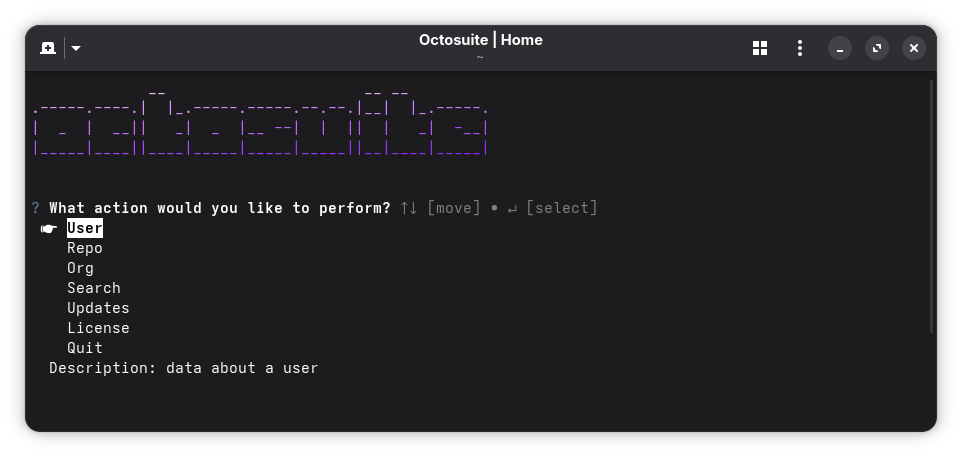
Navigate using <kbd>UP</kbd><kbd>DOWN</kbd> and <kbd>ENTER</kbd> to select options. The interface guides you through
|
||||
Navigate using <kbd>UP</kbd><kbd>DOWN</kbd> and <kbd>ENTER</kbd> to select options. In the export menu, you should
|
||||
use <kbd>SPACE</kbd> to check the format you want.
|
||||
|
||||
The interface guides you through
|
||||
selecting a
|
||||
data source
|
||||
and
|
||||
choosing what information to retrieve. Preview the results and optionally export them in your preferred format.
|
||||
|
||||

|
||||
|
||||
|
||||
## License
|
||||
|
||||
|
||||
@@ -1,6 +1,6 @@
|
||||
[project]
|
||||
name = "octosuite"
|
||||
version = "4.0.0-beta"
|
||||
version = "4.0.0beta2"
|
||||
description = "TUI-based toolkit for GitHub data analysis."
|
||||
readme = "README.md"
|
||||
license = "MIT"
|
||||
@@ -33,5 +33,4 @@ dev = [
|
||||
]
|
||||
|
||||
[project.scripts]
|
||||
octosuite = "octosuite.app:start"
|
||||
ocs = "octosuite.app:start"
|
||||
octosuite = "octosuite.app:start"
|
||||
@@ -1,2 +1,2 @@
|
||||
__pkg__ = "octosuite"
|
||||
__version__ = "4.0.0"
|
||||
__version__ = "4.0.0beta2"
|
||||
|
||||
@@ -1,5 +1,6 @@
|
||||
import sys
|
||||
|
||||
from .core.cache import cache
|
||||
from .lib import console, __pkg__, __version__
|
||||
from .tui.menus import Menus
|
||||
|
||||
@@ -11,3 +12,5 @@ def start():
|
||||
menu.main()
|
||||
except KeyboardInterrupt:
|
||||
sys.exit()
|
||||
finally:
|
||||
cache.clear()
|
||||
|
||||
74
src/octosuite/core/cache.py
Normal file
74
src/octosuite/core/cache.py
Normal file
@@ -0,0 +1,74 @@
|
||||
import hashlib
|
||||
import json
|
||||
|
||||
__all__ = ["cache"]
|
||||
|
||||
|
||||
class ResponseCache:
|
||||
"""Simple in-memory cache for API responses."""
|
||||
|
||||
def __init__(self):
|
||||
"""Initialise the ResponseCache with an empty cache dictionary."""
|
||||
|
||||
self._cache = {}
|
||||
|
||||
@staticmethod
|
||||
def _generate_key(url: str, params: dict = None) -> str:
|
||||
"""
|
||||
Generate a unique cache key from URL and parameters.
|
||||
|
||||
:param url: The URL to generate a key for.
|
||||
:param params: Optional dictionary of parameters to include in the key.
|
||||
:return: MD5 hash string representing the unique cache key.
|
||||
"""
|
||||
|
||||
cache_data = f"{url}:{json.dumps(params or {}, sort_keys=True)}"
|
||||
return hashlib.md5(cache_data.encode()).hexdigest()
|
||||
|
||||
def get(self, url: str, params: dict = None):
|
||||
"""
|
||||
Retrieve a cached response if it exists.
|
||||
|
||||
:param url: The URL to retrieve cached data for.
|
||||
:param params: Optional dictionary of parameters used in the original request.
|
||||
:return: Cached response data if found, None otherwise.
|
||||
"""
|
||||
|
||||
key = self._generate_key(url, params)
|
||||
return self._cache.get(key)
|
||||
|
||||
def set(self, url: str, data, params: dict = None):
|
||||
"""
|
||||
Store a response in the cache.
|
||||
|
||||
:param url: The URL to cache data for.
|
||||
:param data: The response data to cache.
|
||||
:param params: Optional dictionary of parameters used in the request.
|
||||
"""
|
||||
|
||||
key = self._generate_key(url, params)
|
||||
self._cache[key] = data
|
||||
|
||||
def clear(self):
|
||||
"""Clear all cached responses from memory."""
|
||||
self._cache.clear()
|
||||
|
||||
def remove(self, url: str, params: dict = None):
|
||||
"""
|
||||
Remove a specific cached response.
|
||||
|
||||
:param url: The URL to remove cached data for.
|
||||
:param params: Optional dictionary of parameters used in the original request.
|
||||
"""
|
||||
|
||||
key = self._generate_key(url, params)
|
||||
self._cache.pop(key, None)
|
||||
|
||||
|
||||
cache = ResponseCache()
|
||||
|
||||
|
||||
def clear_cache():
|
||||
"""Clear all cached API responses from the global cache instance."""
|
||||
|
||||
cache.clear()
|
||||
@@ -5,6 +5,7 @@ import typing as t
|
||||
import requests
|
||||
from requests import Response
|
||||
|
||||
from .cache import cache
|
||||
from ..lib import __version__
|
||||
|
||||
BASE_URL = "https://api.github.com"
|
||||
@@ -13,6 +14,8 @@ __all__ = ["BASE_URL", "GitHub"]
|
||||
|
||||
|
||||
class GitHub:
|
||||
"""Handles GitHub API requests with caching and response sanitisation."""
|
||||
|
||||
def __init__(
|
||||
self,
|
||||
user_agent: str = (
|
||||
@@ -21,11 +24,37 @@ class GitHub:
|
||||
f"https://github.com/bellingcat/octosuite) requests/{requests.__version__}"
|
||||
),
|
||||
):
|
||||
"""
|
||||
Initialise the GitHub API client.
|
||||
|
||||
:param user_agent: Custom User-Agent string for API requests.
|
||||
"""
|
||||
|
||||
self.user_agent = user_agent
|
||||
self.cache = cache
|
||||
|
||||
def get(
|
||||
self, url: str, params: t.Optional[dict] = None, return_response: bool = False
|
||||
self,
|
||||
url: str,
|
||||
params: t.Optional[dict] = None,
|
||||
return_response: bool = False,
|
||||
use_cache: bool = True,
|
||||
) -> t.Union[dict, list, Response]:
|
||||
"""
|
||||
Make a GET request to the GitHub API.
|
||||
|
||||
:param url: The API endpoint URL.
|
||||
:param params: Optional query parameters for the request.
|
||||
:param return_response: If True, return the raw Response object instead of JSON data.
|
||||
:param use_cache: If True, use cached responses when available.
|
||||
:return: Dictionary, list, or Response object depending on the request and parameters.
|
||||
"""
|
||||
|
||||
if use_cache and not return_response:
|
||||
cached = self.cache.get(url, params)
|
||||
if cached is not None:
|
||||
return cached
|
||||
|
||||
response = requests.get(
|
||||
url=url, params=params, headers={"User-Agent": self.user_agent}
|
||||
)
|
||||
@@ -34,33 +63,65 @@ class GitHub:
|
||||
return response
|
||||
|
||||
if response.status_code == 200:
|
||||
return self._sanitise_response(response=response.json())
|
||||
sanitised = self.sanitise_response(response=response.json())
|
||||
|
||||
# Cache the successful response
|
||||
if use_cache:
|
||||
self.cache.set(url, sanitised, params)
|
||||
|
||||
return sanitised
|
||||
|
||||
return []
|
||||
|
||||
def is_valid_entity(
|
||||
self, entity_type: t.Literal["user", "org", "repo"], **kwargs
|
||||
self, _type: t.Literal["user", "org", "repo"], **kwargs
|
||||
) -> bool:
|
||||
"""Validate if a GitHub entity exists."""
|
||||
"""
|
||||
Validate whether a GitHub entity exists.
|
||||
|
||||
:param _type: Type of entity to validate ("user", "org", or "repo").
|
||||
:param kwargs: Entity identifiers (username for user/org, repo_owner and repo_name for repo).
|
||||
:return: True if the entity exists, False otherwise.
|
||||
"""
|
||||
|
||||
try:
|
||||
if entity_type == "user":
|
||||
url = f"https://api.github.com/users/{kwargs.get('username')}"
|
||||
elif entity_type == "org":
|
||||
url = f"https://api.github.com/orgs/{kwargs.get('username')}"
|
||||
elif entity_type == "repo":
|
||||
url = f"https://api.github.com/repos/{kwargs.get('repo_owner')}/{kwargs.get('repo_name')}"
|
||||
else:
|
||||
type_map = {
|
||||
"user": f"https://api.github.com/users/{kwargs.get('username')}",
|
||||
"org": f"https://api.github.com/orgs/{kwargs.get('username')}",
|
||||
"repo": f"https://api.github.com/repos/{kwargs.get('repo_owner')}/{kwargs.get('repo_name')}",
|
||||
}
|
||||
|
||||
url = type_map[_type]
|
||||
|
||||
# Check cache first
|
||||
cached = self.cache.get(url)
|
||||
if cached is not None:
|
||||
return True # If cached, entity exists
|
||||
|
||||
response = requests.get(url=url, headers={"User-Agent": self.user_agent})
|
||||
|
||||
# Only cache if entity exists (status 200)
|
||||
if response.status_code == 200:
|
||||
sanitised = self.sanitise_response(response.json())
|
||||
self.cache.set(url, sanitised)
|
||||
return True
|
||||
|
||||
response = self.get(url=url, return_response=True)
|
||||
return response.status_code == 200
|
||||
return False
|
||||
except requests.RequestException:
|
||||
return False
|
||||
|
||||
def _sanitise_response(self, response: t.Union[dict, list]) -> t.Union[dict, list]:
|
||||
def sanitise_response(self, response: t.Union[dict, list]) -> t.Union[dict, list]:
|
||||
"""
|
||||
Remove API URLs and null values from response data recursively.
|
||||
|
||||
:param response: The response data to sanitise (dict or list).
|
||||
:return: Sanitised response with API URLs and null values removed.
|
||||
"""
|
||||
|
||||
pattern = re.compile(r"https://api\.github\.com")
|
||||
|
||||
if isinstance(response, list):
|
||||
return [self._sanitise_response(response=item) for item in response]
|
||||
return [self.sanitise_response(response=item) for item in response]
|
||||
|
||||
if isinstance(response, dict):
|
||||
keys_to_remove = [
|
||||
@@ -74,6 +135,6 @@ class GitHub:
|
||||
# Recursively clean nested dicts/lists
|
||||
for key, value in response.items():
|
||||
if isinstance(value, (dict, list)):
|
||||
response[key] = self._sanitise_response(response=value)
|
||||
response[key] = self.sanitise_response(response=value)
|
||||
|
||||
return response
|
||||
|
||||
@@ -8,74 +8,191 @@ __all__ = ["User", "Org", "Repo", "Search"]
|
||||
|
||||
|
||||
class GitHubEntity:
|
||||
"""Base class for GitHub entities with common functionality."""
|
||||
"""
|
||||
Base class for GitHub entities with common functionality."""
|
||||
|
||||
def __init__(self, source: str):
|
||||
"""
|
||||
Initialise a GitHub entity.
|
||||
|
||||
:param source: The source identifier for the entity.
|
||||
"""
|
||||
|
||||
self.endpoint = None
|
||||
self.source = source
|
||||
|
||||
def exists(self) -> bool:
|
||||
"""Check if the entity exists on GitHub."""
|
||||
def exists(self) -> tuple[bool, dict]:
|
||||
"""
|
||||
Check if the entity exists on GitHub.
|
||||
|
||||
:return: Tuple of (exists, response_data) where exists is True if the entity is found.
|
||||
"""
|
||||
# Check cache first
|
||||
cached = github.cache.get(self.endpoint)
|
||||
if cached is not None:
|
||||
return True, cached
|
||||
|
||||
try:
|
||||
response = github.get(url=self.endpoint, return_response=True)
|
||||
return response.status_code == 200
|
||||
except exceptions.RequestException as err:
|
||||
return False
|
||||
|
||||
if response.status_code == 200:
|
||||
data = response.json()
|
||||
# Sanitise the data
|
||||
sanitised = github.sanitise_response(data)
|
||||
# Cache the sanitised response
|
||||
github.cache.set(self.endpoint, sanitised)
|
||||
return True, sanitised
|
||||
|
||||
return False, response.json()
|
||||
except exceptions.RequestException:
|
||||
return False, {}
|
||||
|
||||
|
||||
class User(GitHubEntity):
|
||||
"""Represents a GitHub user with methods to query user data."""
|
||||
|
||||
def __init__(self, name: str):
|
||||
"""
|
||||
Initialise a User instance.
|
||||
|
||||
:param name: The GitHub username.
|
||||
"""
|
||||
|
||||
super().__init__(source=name)
|
||||
self.name = name
|
||||
self.endpoint = f"{BASE_URL}/users/{name}"
|
||||
|
||||
def profile(self) -> dict:
|
||||
"""
|
||||
Retrieve the user's profile information.
|
||||
|
||||
:return: Dictionary containing user profile data.
|
||||
"""
|
||||
|
||||
profile = github.get(url=self.endpoint)
|
||||
return profile
|
||||
|
||||
def repos(self, page: int, per_page: int) -> list:
|
||||
"""
|
||||
Retrieve the user's public repositories.
|
||||
|
||||
:param page: Page number for pagination.
|
||||
:param per_page: Number of results per page.
|
||||
:return: List of repository dictionaries.
|
||||
"""
|
||||
|
||||
params = {"page": page, "per_page": per_page}
|
||||
repos = github.get(url=f"{self.endpoint}/repos", params=params)
|
||||
return repos
|
||||
|
||||
def subscriptions(self, page: int, per_page: int) -> list:
|
||||
"""
|
||||
Retrieve repositories the user is subscribed to.
|
||||
|
||||
:param page: Page number for pagination.
|
||||
:param per_page: Number of results per page.
|
||||
:return: List of repository subscription dictionaries.
|
||||
"""
|
||||
|
||||
params = {"page": page, "per_page": per_page}
|
||||
subscriptions = github.get(url=f"{self.endpoint}/subscriptions", params=params)
|
||||
return subscriptions
|
||||
|
||||
def starred(self, page: int, per_page: int) -> list:
|
||||
"""
|
||||
Retrieve repositories the user has starred.
|
||||
|
||||
:param page: Page number for pagination.
|
||||
:param per_page: Number of results per page.
|
||||
:return: List of starred repository dictionaries.
|
||||
"""
|
||||
|
||||
params = {"page": page, "per_page": per_page}
|
||||
starred = github.get(url=f"{self.endpoint}/starred", params=params)
|
||||
return starred
|
||||
|
||||
def followers(self, page: int, per_page: int) -> list:
|
||||
"""
|
||||
Retrieve the user's followers.
|
||||
|
||||
:param page: Page number for pagination.
|
||||
:param per_page: Number of results per page.
|
||||
:return: List of follower user dictionaries.
|
||||
"""
|
||||
|
||||
params = {"page": page, "per_page": per_page}
|
||||
users = github.get(url=f"{self.endpoint}/followers", params=params)
|
||||
return users
|
||||
|
||||
def following(self, page: int, per_page: int) -> list:
|
||||
"""
|
||||
Retrieve users that this user is following.
|
||||
|
||||
:param page: Page number for pagination.
|
||||
:param per_page: Number of results per page.
|
||||
:return: List of followed user dictionaries.
|
||||
"""
|
||||
|
||||
params = {"page": page, "per_page": per_page}
|
||||
users = github.get(url=f"{self.endpoint}/following", params=params)
|
||||
return users
|
||||
|
||||
def follows(self, user: str) -> bool: ...
|
||||
def follows(self, user: str) -> bool:
|
||||
"""Check if this user follows another user.
|
||||
|
||||
:param user: The username to check.
|
||||
:return: True if this user follows the specified user.
|
||||
"""
|
||||
...
|
||||
|
||||
def orgs(self, page: int, per_page: int) -> list:
|
||||
"""
|
||||
Retrieve organisations the user belongs to.
|
||||
|
||||
:param page: Page number for pagination.
|
||||
:param per_page: Number of results per page.
|
||||
:return: List of organisation dictionaries.
|
||||
"""
|
||||
|
||||
params = {"page": page, "per_page": per_page}
|
||||
orgs = github.get(url=f"{self.endpoint}/orgs", params=params)
|
||||
return orgs
|
||||
|
||||
def gists(self, page: int, per_page: int) -> list:
|
||||
"""
|
||||
Retrieve the user's gists.
|
||||
|
||||
:param page: Page number for pagination.
|
||||
:param per_page: Number of results per page.
|
||||
:return: List of gist dictionaries.
|
||||
"""
|
||||
|
||||
params = {"page": page, "per_page": per_page}
|
||||
gists = github.get(url=f"{self.endpoint}/gists", params=params)
|
||||
return gists
|
||||
|
||||
def events(self, page: int, per_page: int) -> list:
|
||||
"""
|
||||
Retrieve the user's public events.
|
||||
|
||||
:param page: Page number for pagination.
|
||||
:param per_page: Number of results per page.
|
||||
:return: List of event dictionaries.
|
||||
"""
|
||||
|
||||
params = {"page": page, "per_page": per_page}
|
||||
events = github.get(url=f"{self.endpoint}/events", params=params)
|
||||
return events
|
||||
|
||||
def received_events(self, page: int, per_page: int) -> list:
|
||||
"""
|
||||
Retrieve events received by the user.
|
||||
|
||||
:param page: Page number for pagination.
|
||||
:param per_page: Number of results per page.
|
||||
:return: List of received event dictionaries.
|
||||
"""
|
||||
|
||||
params = {"page": page, "per_page": per_page}
|
||||
received_events = github.get(
|
||||
url=f"{self.endpoint}/received_events", params=params
|
||||
@@ -84,133 +201,337 @@ class User(GitHubEntity):
|
||||
|
||||
|
||||
class Org(GitHubEntity):
|
||||
"""Represents a GitHub organisation with methods to query organisation data."""
|
||||
|
||||
def __init__(self, name: str):
|
||||
"""
|
||||
Initialise an Org instance.
|
||||
|
||||
:param name: The GitHub organisation name.
|
||||
"""
|
||||
|
||||
super().__init__(source=name)
|
||||
self.name = name
|
||||
self.endpoint = f"{BASE_URL}/orgs/{name}"
|
||||
|
||||
def profile(self) -> dict:
|
||||
"""
|
||||
Retrieve the organisation's profile information.
|
||||
|
||||
:return: Dictionary containing organisation profile data.
|
||||
"""
|
||||
|
||||
profile = github.get(url=self.endpoint)
|
||||
return profile
|
||||
|
||||
def repos(self, page: int, per_page: int) -> list:
|
||||
"""
|
||||
Retrieve the organisation's public repositories.
|
||||
|
||||
:param page: Page number for pagination.
|
||||
:param per_page: Number of results per page.
|
||||
:return: List of repository dictionaries.
|
||||
"""
|
||||
|
||||
params = {"page": page, "per_page": per_page}
|
||||
repos = github.get(url=f"{self.endpoint}/repos", params=params)
|
||||
return repos
|
||||
|
||||
def events(self, page: int, per_page: int) -> list:
|
||||
"""
|
||||
Retrieve the organisation's public events.
|
||||
|
||||
:param page: Page number for pagination.
|
||||
:param per_page: Number of results per page.
|
||||
:return: List of event dictionaries.
|
||||
"""
|
||||
|
||||
params = {"page": page, "per_page": per_page}
|
||||
events = github.get(url=f"{self.endpoint}/events", params=params)
|
||||
return events
|
||||
|
||||
def hooks(self, page: int, per_page: int) -> list:
|
||||
"""
|
||||
Retrieve the organisation's webhooks.
|
||||
|
||||
:param page: Page number for pagination.
|
||||
:param per_page: Number of results per page.
|
||||
:return: List of webhook dictionaries.
|
||||
"""
|
||||
|
||||
params = {"page": page, "per_page": per_page}
|
||||
hooks = github.get(url=f"{self.endpoint}/hooks", params=params)
|
||||
return hooks
|
||||
|
||||
def issues(self, page: int, per_page: int) -> list:
|
||||
"""
|
||||
Retrieve the organisation's issues.
|
||||
|
||||
:param page: Page number for pagination.
|
||||
:param per_page: Number of results per page.
|
||||
:return: List of issue dictionaries.
|
||||
"""
|
||||
|
||||
params = {"page": page, "per_page": per_page}
|
||||
issues = github.get(url=f"{self.endpoint}/issues", params=params)
|
||||
return issues
|
||||
|
||||
def members(self, page: int, per_page: int) -> list:
|
||||
"""
|
||||
Retrieve the organisation's public members.
|
||||
|
||||
:param page: Page number for pagination.
|
||||
:param per_page: Number of results per page.
|
||||
:return: List of member user dictionaries.
|
||||
"""
|
||||
|
||||
params = {"page": page, "per_page": per_page}
|
||||
members = github.get(url=f"{self.endpoint}/members", params=params)
|
||||
return members
|
||||
|
||||
|
||||
class Repo(GitHubEntity):
|
||||
"""Represents a GitHub repository with methods to query repository data."""
|
||||
|
||||
def __init__(self, name: str, owner: str):
|
||||
"""
|
||||
Initialise a Repo instance.
|
||||
|
||||
:param name: The repository name.
|
||||
:param owner: The repository owner's username.
|
||||
"""
|
||||
|
||||
super().__init__(source=f"{owner}/{name}")
|
||||
self.name = name
|
||||
self.owner = owner
|
||||
self.endpoint = f"{BASE_URL}/repos/{owner}/{name}"
|
||||
|
||||
def profile(self) -> dict:
|
||||
"""
|
||||
Retrieve the repository's information.
|
||||
|
||||
:return: Dictionary containing repository data.
|
||||
"""
|
||||
|
||||
profile = github.get(url=self.endpoint)
|
||||
return profile
|
||||
|
||||
def forks(self, page: int, per_page: int) -> list:
|
||||
"""
|
||||
Retrieve the repository's forks.
|
||||
|
||||
:param page: Page number for pagination.
|
||||
:param per_page: Number of results per page.
|
||||
:return: List of fork repository dictionaries.
|
||||
"""
|
||||
|
||||
params = {"page": page, "per_page": per_page}
|
||||
forks = github.get(url=f"{self.endpoint}/forks", params=params)
|
||||
return forks
|
||||
|
||||
def issue_events(self, page: int, per_page: int) -> list:
|
||||
"""
|
||||
Retrieve the repository's issue events.
|
||||
|
||||
:param page: Page number for pagination.
|
||||
:param per_page: Number of results per page.
|
||||
:return: List of issue event dictionaries.
|
||||
"""
|
||||
|
||||
params = {"page": page, "per_page": per_page}
|
||||
issue_events = github.get(url=f"{self.endpoint}/issue_events", params=params)
|
||||
return issue_events
|
||||
|
||||
def events(self, page: int, per_page: int) -> list:
|
||||
"""
|
||||
Retrieve the repository's events.
|
||||
|
||||
:param page: Page number for pagination.
|
||||
:param per_page: Number of results per page.
|
||||
:return: List of event dictionaries.
|
||||
"""
|
||||
|
||||
params = {"page": page, "per_page": per_page}
|
||||
events = github.get(url=f"{self.endpoint}/events", params=params)
|
||||
return events
|
||||
|
||||
def assignees(self, page: int, per_page: int) -> list:
|
||||
"""
|
||||
Retrieve the repository's available assignees.
|
||||
|
||||
:param page: Page number for pagination.
|
||||
:param per_page: Number of results per page.
|
||||
:return: List of assignee user dictionaries.
|
||||
"""
|
||||
|
||||
params = {"page": page, "per_page": per_page}
|
||||
assignees = github.get(url=f"{self.endpoint}/assignees", params=params)
|
||||
return assignees
|
||||
|
||||
def branches(self, page: int, per_page: int) -> list:
|
||||
"""
|
||||
Retrieve the repository's branches.
|
||||
|
||||
:param page: Page number for pagination.
|
||||
:param per_page: Number of results per page.
|
||||
:return: List of branch dictionaries.
|
||||
"""
|
||||
|
||||
params = {"page": page, "per_page": per_page}
|
||||
branches = github.get(url=f"{self.endpoint}/branches", params=params)
|
||||
return branches
|
||||
|
||||
def tags(self, page: int, per_page: int) -> list:
|
||||
"""
|
||||
Retrieve the repository's tags.
|
||||
|
||||
:param page: Page number for pagination.
|
||||
:param per_page: Number of results per page.
|
||||
:return: List of tag dictionaries.
|
||||
"""
|
||||
|
||||
params = {"page": page, "per_page": per_page}
|
||||
tags = github.get(url=f"{self.endpoint}/tags", params=params)
|
||||
return tags
|
||||
|
||||
def languages(self) -> dict:
|
||||
"""
|
||||
Retrieve the programming languages used in the repository.
|
||||
|
||||
:return: Dictionary mapping language names to bytes of code.
|
||||
"""
|
||||
|
||||
languages = github.get(url=f"{self.endpoint}/languages")
|
||||
return languages
|
||||
|
||||
def stargazers(self, page: int, per_page: int) -> list:
|
||||
"""
|
||||
Retrieve users who have starred the repository.
|
||||
|
||||
:param page: Page number for pagination.
|
||||
:param per_page: Number of results per page.
|
||||
:return: List of stargazer user dictionaries.
|
||||
"""
|
||||
|
||||
params = {"page": page, "per_page": per_page}
|
||||
stargazers = github.get(url=f"{self.endpoint}/stargazers", params=params)
|
||||
return stargazers
|
||||
|
||||
def subscribers(self, page: int, per_page: int) -> list:
|
||||
"""
|
||||
Retrieve users subscribed to the repository.
|
||||
|
||||
:param page: Page number for pagination.
|
||||
:param per_page: Number of results per page.
|
||||
:return: List of subscriber user dictionaries.
|
||||
"""
|
||||
|
||||
params = {"page": page, "per_page": per_page}
|
||||
subscribers = github.get(url=f"{self.endpoint}/subscribers", params=params)
|
||||
return subscribers
|
||||
|
||||
def commits(self, page: int, per_page: int) -> list:
|
||||
"""
|
||||
Retrieve the repository's commits.
|
||||
|
||||
:param page: Page number for pagination.
|
||||
:param per_page: Number of results per page.
|
||||
:return: List of commit dictionaries.
|
||||
"""
|
||||
|
||||
params = {"page": page, "per_page": per_page}
|
||||
commits = github.get(url=f"{self.endpoint}/commits", params=params)
|
||||
return commits
|
||||
|
||||
def comments(self, page: int, per_page: int) -> list:
|
||||
"""
|
||||
Retrieve the repository's commit comments.
|
||||
|
||||
:param page: Page number for pagination.
|
||||
:param per_page: Number of results per page.
|
||||
:return: List of comment dictionaries.
|
||||
"""
|
||||
|
||||
params = {"page": page, "per_page": per_page}
|
||||
comments = github.get(url=f"{self.endpoint}/comments", params=params)
|
||||
return comments
|
||||
|
||||
def contents(self, path: str) -> list:
|
||||
"""
|
||||
Retrieve the contents of a file or directory in the repository.
|
||||
|
||||
:param path: Path to the file or directory.
|
||||
:return: List of content item dictionaries.
|
||||
"""
|
||||
|
||||
contents = github.get(url=f"{self.endpoint}/contents/{path}")
|
||||
return contents
|
||||
|
||||
def issues(self, page: int, per_page: int) -> list:
|
||||
"""
|
||||
Retrieve the repository's issues.
|
||||
|
||||
:param page: Page number for pagination.
|
||||
:param per_page: Number of results per page.
|
||||
:return: List of issue dictionaries.
|
||||
"""
|
||||
|
||||
params = {"page": page, "per_page": per_page}
|
||||
issues = github.get(url=f"{self.endpoint}/issues", params=params)
|
||||
return issues
|
||||
|
||||
def releases(self, page: int, per_page: int) -> list:
|
||||
"""
|
||||
Retrieve the repository's releases.
|
||||
|
||||
:param page: Page number for pagination.
|
||||
:param per_page: Number of results per page.
|
||||
:return: List of release dictionaries.
|
||||
"""
|
||||
|
||||
params = {"page": page, "per_page": per_page}
|
||||
releases = github.get(url=f"{self.endpoint}/releases", params=params)
|
||||
return releases
|
||||
|
||||
def deployments(self, page: int, per_page: int) -> list:
|
||||
"""
|
||||
Retrieve the repository's deployments.
|
||||
|
||||
:param page: Page number for pagination.
|
||||
:param per_page: Number of results per page.
|
||||
:return: List of deployment dictionaries.
|
||||
"""
|
||||
|
||||
params = {"page": page, "per_page": per_page}
|
||||
deployments = github.get(url=f"{self.endpoint}/deployments", params=params)
|
||||
return deployments
|
||||
|
||||
def labels(self, page: int, per_page: int) -> list:
|
||||
"""
|
||||
Retrieve the repository's labels.
|
||||
|
||||
:param page: Page number for pagination.
|
||||
:param per_page: Number of results per page.
|
||||
:return: List of label dictionaries.
|
||||
"""
|
||||
|
||||
params = {"page": page, "per_page": per_page}
|
||||
labels = github.get(url=f"{self.endpoint}/labels", params=params)
|
||||
return labels
|
||||
|
||||
|
||||
class Search:
|
||||
"""Provides methods to search GitHub for various entity types."""
|
||||
|
||||
def __init__(self, query: str, page: int, per_page: int):
|
||||
"""
|
||||
Initialise a Search instance.
|
||||
|
||||
:param query: The search query string.
|
||||
:param page: Page number for pagination.
|
||||
:param per_page: Number of results per page.
|
||||
"""
|
||||
|
||||
self.query = query
|
||||
self.page = page
|
||||
self.per_page = per_page
|
||||
@@ -218,21 +539,51 @@ class Search:
|
||||
self.params = {"q": query, "page": page, "per_page": per_page}
|
||||
|
||||
def repos(self) -> list:
|
||||
"""
|
||||
Search for repositories matching the query.
|
||||
|
||||
:return: List of repository search result dictionaries.
|
||||
"""
|
||||
|
||||
repos = github.get(url=f"{self.endpoint}/repositories", params=self.params)
|
||||
return repos
|
||||
|
||||
def users(self) -> list:
|
||||
"""
|
||||
Search for users matching the query.
|
||||
|
||||
:return: List of user search result dictionaries.
|
||||
"""
|
||||
|
||||
users = github.get(url=f"{self.endpoint}/users", params=self.params)
|
||||
return users
|
||||
|
||||
def commits(self) -> list:
|
||||
"""
|
||||
Search for commits matching the query.
|
||||
|
||||
:return: List of commit search result dictionaries.
|
||||
"""
|
||||
|
||||
commits = github.get(url=f"{self.endpoint}/commits", params=self.params)
|
||||
return commits
|
||||
|
||||
def issues(self) -> list:
|
||||
"""
|
||||
Search for issues and pull requests matching the query.
|
||||
|
||||
:return: List of issue search result dictionaries.
|
||||
"""
|
||||
|
||||
issues = github.get(url=f"{self.endpoint}/issues", params=self.params)
|
||||
return issues
|
||||
|
||||
def topics(self) -> list:
|
||||
"""
|
||||
Search for topics matching the query.
|
||||
|
||||
:return: List of topic search result dictionaries.
|
||||
"""
|
||||
|
||||
topics = github.get(url=f"{self.endpoint}/topics", params=self.params)
|
||||
return topics
|
||||
|
||||
@@ -31,6 +31,14 @@ console = Console(log_time=False)
|
||||
|
||||
|
||||
def preview_response(data: t.Union[dict, list], source: str, _type: str):
|
||||
"""
|
||||
Display a preview of response data in a tree structure.
|
||||
|
||||
:param data: The data to preview (dict or list).
|
||||
:param source: The source identifier of the data.
|
||||
:param _type: The type of data being previewed.
|
||||
"""
|
||||
|
||||
if isinstance(data, dict):
|
||||
tree = Tree(
|
||||
label=f"\n[bold]{data.get('name') or data.get('login') or data.get('id') or 'Data'}[/bold]",
|
||||
@@ -44,7 +52,7 @@ def preview_response(data: t.Union[dict, list], source: str, _type: str):
|
||||
elif isinstance(data, list):
|
||||
preview_data = data[:5]
|
||||
tree = Tree(
|
||||
label=f"\nPreview: First {len(preview_data)} of {len(data)} {_type} from {source}",
|
||||
label=f"\n[bold]First {len(preview_data)} of {len(data)} {_type} for '{source}'[/bold]",
|
||||
guide_style="#444444",
|
||||
highlight=True,
|
||||
)
|
||||
@@ -74,7 +82,17 @@ def export_response(
|
||||
file_formats: list,
|
||||
output_dir: str = "../exports",
|
||||
):
|
||||
"""Export data to selected formats using built-in libraries."""
|
||||
"""
|
||||
Export response data to one or more file formats.
|
||||
|
||||
:param data: The data to export (dict or list).
|
||||
:param data_type: The type of data being exported.
|
||||
:param source: The source identifier of the data.
|
||||
:param file_formats: List of file formats to export to (json, csv, html).
|
||||
:param output_dir: Directory path where exported files will be saved.
|
||||
:return: List of exported file paths.
|
||||
"""
|
||||
|
||||
# Create output directory if it doesn't exist
|
||||
output_dir = Path(output_dir)
|
||||
output_dir.mkdir(exist_ok=True)
|
||||
@@ -165,6 +183,14 @@ def export_response(
|
||||
|
||||
|
||||
def fill_tree(tree: Tree, data: t.Union[dict, list]) -> Tree:
|
||||
"""
|
||||
Recursively populate a Rich Tree with data.
|
||||
|
||||
:param tree: The Tree object to populate.
|
||||
:param data: The data to add to the tree (dict or list).
|
||||
:return: The populated Tree object.
|
||||
"""
|
||||
|
||||
if isinstance(data, dict):
|
||||
for key, value in data.items():
|
||||
if isinstance(value, dict) or isinstance(value, list):
|
||||
@@ -187,10 +213,12 @@ def fill_tree(tree: Tree, data: t.Union[dict, list]) -> Tree:
|
||||
|
||||
|
||||
def check_updates():
|
||||
"""Check for available package updates and display the result."""
|
||||
|
||||
with console.status("[dim]Checking for updates...[/dim]") as status:
|
||||
checker = UpdateChecker()
|
||||
result = checker.check(__pkg__, __version__)
|
||||
if result:
|
||||
if result is not None:
|
||||
status.stop()
|
||||
message_dialog(title="Update Available", text=result).run()
|
||||
else:
|
||||
@@ -207,6 +235,10 @@ def clear_screen():
|
||||
|
||||
|
||||
def ascii_banner(text: str):
|
||||
"""Display a colourful ASCII art banner with gradient styling.
|
||||
|
||||
:param text: The text to convert to ASCII art.
|
||||
"""
|
||||
clear_screen()
|
||||
|
||||
ascii_text = pyfiglet.figlet_format(text=text, font="chunky")
|
||||
@@ -224,6 +256,12 @@ def ascii_banner(text: str):
|
||||
|
||||
|
||||
def set_menu_title(menu_type: t.Literal["home", "user", "org", "repo", "search"]):
|
||||
"""
|
||||
Set the terminal window title based on the current menu.
|
||||
|
||||
:param menu_type: The type of menu being displayed.
|
||||
"""
|
||||
|
||||
title: str = __pkg__.title()
|
||||
title += f" | {menu_type.title()}"
|
||||
console.set_window_title(title=title)
|
||||
|
||||
@@ -26,20 +26,56 @@ __all__ = ["Dialogs"]
|
||||
|
||||
|
||||
class Dialogs:
|
||||
def __init__(self): ...
|
||||
"""Provides interactive dialogue boxes for user confirmations and information display."""
|
||||
|
||||
def __init__(self):
|
||||
"""Initialise the Dialogs class."""
|
||||
...
|
||||
|
||||
@staticmethod
|
||||
def quit() -> bool:
|
||||
def _boolean(title: str, text: str) -> bool:
|
||||
"""
|
||||
Display a Yes/No dialogue and return the user's choice.
|
||||
|
||||
:param title: The title of the dialogue box.
|
||||
:param text: The message text to display.
|
||||
:return: True if user selects Yes, False if No or cancelled.
|
||||
"""
|
||||
|
||||
try:
|
||||
result = button_dialog(
|
||||
title="Quit",
|
||||
text="This will close the session, continue?",
|
||||
title=title,
|
||||
text=text,
|
||||
buttons=[("Yes", True), ("No", False)],
|
||||
).run()
|
||||
return result if result is not None else False
|
||||
except KeyboardInterrupt:
|
||||
return True
|
||||
|
||||
def quit(self) -> bool:
|
||||
"""
|
||||
Display a confirmation dialogue for quitting the application.
|
||||
|
||||
:return: True if user confirms quit, False otherwise.
|
||||
"""
|
||||
|
||||
return self._boolean(
|
||||
title="Quit", text="This will close the session, continue?"
|
||||
)
|
||||
|
||||
def clear_cache(self) -> bool:
|
||||
"""
|
||||
Display a confirmation dialogue for clearing the cache.
|
||||
|
||||
:return: True if user confirms cache clearing, False otherwise.
|
||||
"""
|
||||
|
||||
return self._boolean(
|
||||
title="Clear Cache",
|
||||
text="This will clear all octosuite caches, continue?",
|
||||
)
|
||||
|
||||
@staticmethod
|
||||
def license():
|
||||
"""Display the MIT license notice in a dialogue box."""
|
||||
message_dialog(title="MIT License", text=LICENSE_NOTICE).run()
|
||||
|
||||
@@ -7,6 +7,7 @@ from rich.status import Status
|
||||
|
||||
from .dialogs import Dialogs
|
||||
from .prompts import Prompts
|
||||
from ..core.cache import cache
|
||||
from ..core.models import User, Repo, Org, Search
|
||||
from ..lib import check_updates, preview_response, export_response, set_menu_title
|
||||
from ..lib import console, clear_screen, ascii_banner
|
||||
@@ -20,7 +21,6 @@ CUSTOM_STYLE = Style(
|
||||
|
||||
INSTRUCTIONS = "↑↓ [move] • ⮠ [select]"
|
||||
EXPORT_INSTRUCTIONS = "↑↓ [move] • ⮠ [confirm] • spacebar [check]"
|
||||
POINTER: str = "🖝 "
|
||||
|
||||
dialogs = Dialogs()
|
||||
prompts = Prompts()
|
||||
@@ -28,8 +28,16 @@ prompts = Prompts()
|
||||
__all__ = ["Menus"]
|
||||
|
||||
|
||||
class Menus:
|
||||
def __init__(self):
|
||||
class BaseMenu:
|
||||
"""Base class providing common menu functionality and response handling for GitHub data queries."""
|
||||
|
||||
def __init__(self, main_menu: t.Callable):
|
||||
"""
|
||||
Initialise the BaseMenu with pagination and search method configurations.
|
||||
|
||||
:param main_menu: Callable reference to the main menu function.
|
||||
"""
|
||||
|
||||
# Define which methods require pagination
|
||||
self.paginated_methods = {
|
||||
"repos",
|
||||
@@ -64,15 +72,91 @@ class Menus:
|
||||
# Search methods (all require pagination)
|
||||
self.search_methods = {"repos", "users", "commits", "issues", "topics"}
|
||||
|
||||
self.mode_handlers = {
|
||||
"user": self.user,
|
||||
"repo": self.repo,
|
||||
"org": self.org,
|
||||
"search": self.search,
|
||||
}
|
||||
self.main_menu = main_menu
|
||||
|
||||
@staticmethod
|
||||
def target_validator(
|
||||
identifier: str,
|
||||
instance: t.Union[User, Repo, Org],
|
||||
callback: t.Callable,
|
||||
*callback_args,
|
||||
) -> bool:
|
||||
"""
|
||||
Validate whether a GitHub entity exists.
|
||||
|
||||
:param identifier: Name or identifier of the entity to validate.
|
||||
:param instance: The instance with an exists() method (User, Repo, or Org).
|
||||
:param callback: Function to call if validation fails.
|
||||
:param callback_args: Arguments to pass to the callback function.
|
||||
:return: True if the entity exists, False otherwise.
|
||||
"""
|
||||
|
||||
if isinstance(instance, User):
|
||||
target_type = "user"
|
||||
elif isinstance(instance, Repo):
|
||||
target_type = "repo"
|
||||
else:
|
||||
target_type = "org"
|
||||
|
||||
with Status(
|
||||
f"[dim]Validating {target_type} ({identifier})[/dim]...",
|
||||
console=console,
|
||||
) as status:
|
||||
exists, response = instance.exists()
|
||||
|
||||
if not exists:
|
||||
status.stop()
|
||||
if response and "message" in response:
|
||||
console.print(
|
||||
f"[bold][yellow]✘[/yellow] {response['message']}[/bold]"
|
||||
)
|
||||
console.input(" Press [bold]ENTER[/bold] to continue ...")
|
||||
callback(*callback_args)
|
||||
return False
|
||||
|
||||
return True
|
||||
|
||||
def execute_and_handle_response(
|
||||
self,
|
||||
instance: t.Union[User, Repo, Org, Search],
|
||||
method_name: str,
|
||||
target_type: t.Literal["user", "repo", "org"],
|
||||
source: str,
|
||||
):
|
||||
"""
|
||||
Execute a method on an instance and handle the resulting data.
|
||||
|
||||
:param instance: The instance to execute the method on.
|
||||
:param method_name: Name of the method to execute.
|
||||
:param target_type: Type of entity ("user", "repo", or "org").
|
||||
:param source: Source identifier for response handling.
|
||||
"""
|
||||
|
||||
valid_methods = self.paginated_methods | self.non_paginated_methods
|
||||
if method_name in valid_methods:
|
||||
with Status(
|
||||
status=f"[dim]Initialising {target_type} {method_name}[/dim]...",
|
||||
console=console,
|
||||
) as status:
|
||||
data = self.execute_selection(
|
||||
source=source,
|
||||
instance=instance,
|
||||
method_name=method_name,
|
||||
status=status,
|
||||
)
|
||||
|
||||
status.stop()
|
||||
self.response_handler(data=data, data_type=method_name, source=source)
|
||||
|
||||
def execute_selection(self, status: Status, **kwargs):
|
||||
"""
|
||||
Execute a method on an instance with pagination if required.
|
||||
|
||||
:param status: Rich Status object for displaying progress.
|
||||
:param kwargs: Must include 'instance', 'method_name', and 'source'.
|
||||
:return: The data returned by the executed method.
|
||||
"""
|
||||
|
||||
def _execute_selection(self, status: Status, **kwargs):
|
||||
"""Execute a method on an instance, prompting for pagination if needed."""
|
||||
instance = kwargs.get("instance")
|
||||
method_name = kwargs.get("method_name")
|
||||
source = kwargs.get("source")
|
||||
@@ -84,13 +168,113 @@ class Menus:
|
||||
prompts.pagination_params() if method_name in self.paginated_methods else {}
|
||||
)
|
||||
status.start()
|
||||
status.update(f"[dim]Getting {method_name} from {source}...[/dim]")
|
||||
status.update(f"[dim]Getting {method_name} from {source}[/dim]...")
|
||||
return method(**params)
|
||||
|
||||
def _navigation(self, option: str, callback: t.Callable, *callback_args):
|
||||
"""Handle navigation options (back, quit, change settings)."""
|
||||
def response_handler(self, data: t.Union[dict, list], data_type: str, source: str):
|
||||
"""
|
||||
Handle retrieved data by previewing and offering export options.
|
||||
|
||||
:param data: The data to handle (dict or list).
|
||||
:param data_type: Type of data retrieved.
|
||||
:param source: Source identifier of the data.
|
||||
"""
|
||||
|
||||
try:
|
||||
if not data:
|
||||
console.print(
|
||||
f"[bold][yellow]✘[/yellow] No data found for '{source}'[/bold]"
|
||||
)
|
||||
else:
|
||||
preview_response(data=data, source=source, _type=data_type)
|
||||
export_choice = q.select(
|
||||
"What would you like to do?",
|
||||
choices=[
|
||||
q.Choice(
|
||||
title="Export",
|
||||
value="export",
|
||||
description="Export the data",
|
||||
shortcut_key="e",
|
||||
),
|
||||
q.Choice(
|
||||
title="Skip",
|
||||
value="skip",
|
||||
description="Do nothing, and go back to previous menu",
|
||||
shortcut_key="x",
|
||||
),
|
||||
q.Choice(
|
||||
title="Quit",
|
||||
value="quit",
|
||||
description="Close this session",
|
||||
),
|
||||
],
|
||||
style=CUSTOM_STYLE,
|
||||
instruction=INSTRUCTIONS,
|
||||
).ask()
|
||||
|
||||
if export_choice == "skip":
|
||||
return
|
||||
|
||||
if export_choice == "quit":
|
||||
if dialogs.quit():
|
||||
sys.exit()
|
||||
else:
|
||||
clear_screen()
|
||||
self.response_handler(
|
||||
data=data,
|
||||
data_type=data_type,
|
||||
source=source,
|
||||
)
|
||||
return
|
||||
|
||||
file_formats = q.checkbox(
|
||||
"Select export format(s)",
|
||||
choices=[
|
||||
q.Choice(
|
||||
title="JSON",
|
||||
value="json",
|
||||
description="Export as JSON file",
|
||||
),
|
||||
q.Choice(
|
||||
title="CSV",
|
||||
value="csv",
|
||||
description="Export as CSV file",
|
||||
),
|
||||
q.Choice(
|
||||
title="HTML",
|
||||
value="html",
|
||||
description="Export as HTML table",
|
||||
),
|
||||
],
|
||||
style=CUSTOM_STYLE,
|
||||
instruction=EXPORT_INSTRUCTIONS,
|
||||
validate=lambda x: len(x) > 0
|
||||
or "Please select at least one format",
|
||||
).ask()
|
||||
|
||||
export_response(
|
||||
data=data,
|
||||
data_type=data_type,
|
||||
source=source,
|
||||
file_formats=file_formats,
|
||||
)
|
||||
except KeyboardInterrupt:
|
||||
console.print("\nExport cancelled")
|
||||
finally:
|
||||
console.input(" Press [bold]ENTER[/bold] to continue ...")
|
||||
|
||||
def navigation_handler(self, option: str, callback: t.Callable, *callback_args):
|
||||
"""
|
||||
Handle common navigation options across menus.
|
||||
|
||||
:param option: The selected navigation option.
|
||||
:param callback: Function to call for certain navigation actions.
|
||||
:param callback_args: Arguments to pass to the callback function.
|
||||
:return: True if navigation was handled, False otherwise.
|
||||
"""
|
||||
|
||||
navigation_handlers = {
|
||||
"back": lambda: self.main(),
|
||||
"back": lambda: self.main_menu(),
|
||||
"quit": lambda: (
|
||||
sys.exit() if dialogs.quit() else callback(*callback_args)
|
||||
),
|
||||
@@ -102,83 +286,25 @@ class Menus:
|
||||
return True
|
||||
return False
|
||||
|
||||
def response_handling(self, data: t.Union[dict, list], data_type: str, source: str):
|
||||
"""Export data to file in user-selected format(s)."""
|
||||
preview_response(data=data, source=source, _type=data_type)
|
||||
|
||||
try:
|
||||
export_choice = q.select(
|
||||
"What would you like to do?",
|
||||
choices=[
|
||||
q.Choice(
|
||||
title="Export",
|
||||
value="export",
|
||||
description="Export the data",
|
||||
shortcut_key="e",
|
||||
),
|
||||
q.Choice(
|
||||
title="Skip",
|
||||
value="skip",
|
||||
description="Do nothing, and go back to previous menu",
|
||||
shortcut_key="x",
|
||||
),
|
||||
q.Choice(
|
||||
title="Quit",
|
||||
value="quit",
|
||||
description="Close this session",
|
||||
),
|
||||
],
|
||||
pointer=POINTER,
|
||||
style=CUSTOM_STYLE,
|
||||
instruction=INSTRUCTIONS,
|
||||
).ask()
|
||||
class Menus(BaseMenu):
|
||||
"""Main menu system providing interactive interfaces for GitHub data queries."""
|
||||
|
||||
if export_choice == "skip":
|
||||
return
|
||||
def __init__(self):
|
||||
"""Initialise the Menus class with mode handlers for different query types."""
|
||||
|
||||
if export_choice == "quit":
|
||||
if dialogs.quit():
|
||||
sys.exit()
|
||||
else:
|
||||
self.response_handling(
|
||||
data=data, data_type=data_type, source=source
|
||||
)
|
||||
return
|
||||
super().__init__(main_menu=self.main)
|
||||
|
||||
file_formats = q.checkbox(
|
||||
"Select export format(s)",
|
||||
choices=[
|
||||
q.Choice(
|
||||
title="JSON",
|
||||
value="json",
|
||||
description="Export as JSON file",
|
||||
),
|
||||
q.Choice(
|
||||
title="CSV",
|
||||
value="csv",
|
||||
description="Export as CSV file",
|
||||
),
|
||||
q.Choice(
|
||||
title="HTML",
|
||||
value="html",
|
||||
description="Export as HTML table",
|
||||
),
|
||||
],
|
||||
pointer=POINTER,
|
||||
style=CUSTOM_STYLE,
|
||||
instruction=EXPORT_INSTRUCTIONS,
|
||||
validate=lambda x: len(x) > 0 or "Please select at least one format",
|
||||
).ask()
|
||||
|
||||
export_response(
|
||||
data=data, data_type=data_type, source=source, file_formats=file_formats
|
||||
)
|
||||
|
||||
except KeyboardInterrupt:
|
||||
print("\nExport cancelled")
|
||||
self.mode_handlers = {
|
||||
"user": self.user,
|
||||
"repo": self.repo,
|
||||
"org": self.org,
|
||||
"search": self.search,
|
||||
}
|
||||
|
||||
def main(self):
|
||||
"""Main menu to select mode."""
|
||||
"""Display the main menu for selecting query mode."""
|
||||
|
||||
set_menu_title(menu_type="home")
|
||||
clear_screen()
|
||||
try:
|
||||
@@ -207,6 +333,11 @@ class Menus:
|
||||
value="search",
|
||||
description="Search GitHub",
|
||||
),
|
||||
q.Choice(
|
||||
title="Clear cache",
|
||||
value="clear_cache",
|
||||
description="Clear all in-memory cache from Octosuite",
|
||||
),
|
||||
q.Choice(
|
||||
title="Updates",
|
||||
value="updates",
|
||||
@@ -223,7 +354,6 @@ class Menus:
|
||||
description="Close this session",
|
||||
),
|
||||
],
|
||||
pointer=POINTER,
|
||||
style=CUSTOM_STYLE,
|
||||
instruction=INSTRUCTIONS,
|
||||
).ask()
|
||||
@@ -239,6 +369,10 @@ class Menus:
|
||||
elif action == "updates":
|
||||
check_updates()
|
||||
self.main()
|
||||
elif action == "clear_cache":
|
||||
if dialogs.clear_cache():
|
||||
cache.clear()
|
||||
self.main()
|
||||
elif action is None:
|
||||
sys.exit()
|
||||
else:
|
||||
@@ -251,7 +385,12 @@ class Menus:
|
||||
sys.exit()
|
||||
|
||||
def search(self, query: t.Optional[str] = None):
|
||||
"""Search menu for querying GitHub."""
|
||||
"""
|
||||
Display the search menu for querying GitHub content.
|
||||
|
||||
:param query: Optional search query string. If None, prompts user for input.
|
||||
"""
|
||||
|
||||
set_menu_title(menu_type="search")
|
||||
clear_screen()
|
||||
if query is None:
|
||||
@@ -262,9 +401,7 @@ class Menus:
|
||||
style=CUSTOM_STYLE,
|
||||
)
|
||||
|
||||
clear_screen()
|
||||
ascii_banner(text=query)
|
||||
|
||||
option = q.select(
|
||||
"What would you like to do/search?",
|
||||
choices=[
|
||||
@@ -302,7 +439,7 @@ class Menus:
|
||||
q.Choice(
|
||||
title="Go Back",
|
||||
value="back",
|
||||
description="Go back to ewous menu",
|
||||
description="Go back to previous menu",
|
||||
shortcut_key="b",
|
||||
),
|
||||
q.Choice(
|
||||
@@ -312,7 +449,6 @@ class Menus:
|
||||
shortcut_key="q",
|
||||
),
|
||||
],
|
||||
pointer=POINTER,
|
||||
style=CUSTOM_STYLE,
|
||||
instruction=INSTRUCTIONS,
|
||||
use_shortcuts=True,
|
||||
@@ -320,9 +456,10 @@ class Menus:
|
||||
|
||||
if option is None:
|
||||
self.main()
|
||||
return
|
||||
|
||||
# Handle navigation
|
||||
if self._navigation(option, self.search, query):
|
||||
if self.navigation_handler(option, self.search, query):
|
||||
return
|
||||
|
||||
# Handle change query
|
||||
@@ -332,11 +469,9 @@ class Menus:
|
||||
|
||||
# Execute search if it's a valid method
|
||||
if option in self.search_methods:
|
||||
with console.status(
|
||||
status=f"[dim]Initialising {option} search...[/dim]"
|
||||
with Status(
|
||||
status=f"[dim]Initialising {option} search[/dim]...", console=console
|
||||
) as status:
|
||||
# Get pagination params
|
||||
|
||||
status.stop()
|
||||
params = prompts.pagination_params()
|
||||
status.start()
|
||||
@@ -349,22 +484,29 @@ class Menus:
|
||||
)
|
||||
|
||||
method = getattr(search, option)
|
||||
status.update(f"[dim]Searching {option} for {query}...[/dim]")
|
||||
status.update(f"[dim]Searching {option} for {query}[/dim]...")
|
||||
data = method()
|
||||
|
||||
if data:
|
||||
items = data.get("items")
|
||||
status.stop()
|
||||
self.response_handling(
|
||||
self.response_handler(
|
||||
data=items if items is not None else data,
|
||||
data_type=option,
|
||||
source=query,
|
||||
)
|
||||
|
||||
# After handling response, show menu again
|
||||
self.search(query=query)
|
||||
|
||||
def user(self, username: t.Optional[str] = None):
|
||||
"""User menu for querying user data."""
|
||||
def user(self, username: t.Optional[str] = None, is_validated: bool = False):
|
||||
"""
|
||||
Display the user menu for querying GitHub user data.
|
||||
|
||||
:param username: Optional GitHub username. If None, prompts user for input.
|
||||
:param is_validated: Whether the username has already been validated.
|
||||
"""
|
||||
|
||||
set_menu_title(menu_type="user")
|
||||
clear_screen()
|
||||
if username is None:
|
||||
@@ -376,9 +518,16 @@ class Menus:
|
||||
qmark="@",
|
||||
)
|
||||
|
||||
clear_screen()
|
||||
ascii_banner(text=username)
|
||||
user = User(name=username)
|
||||
|
||||
if not self.target_validator(
|
||||
identifier=username,
|
||||
instance=user,
|
||||
callback=self.user,
|
||||
):
|
||||
return
|
||||
|
||||
ascii_banner(text=username)
|
||||
option = q.select(
|
||||
"What would you like to do/get?",
|
||||
choices=[
|
||||
@@ -451,7 +600,6 @@ class Menus:
|
||||
shortcut_key="q",
|
||||
),
|
||||
],
|
||||
pointer=POINTER,
|
||||
style=CUSTOM_STYLE,
|
||||
instruction=INSTRUCTIONS,
|
||||
use_shortcuts=True,
|
||||
@@ -459,50 +607,40 @@ class Menus:
|
||||
|
||||
if option is None:
|
||||
self.main()
|
||||
return
|
||||
|
||||
# Handle navigation
|
||||
if self._navigation(option, self.user, username):
|
||||
elif self.navigation_handler(option, self.user, username):
|
||||
return
|
||||
|
||||
# Handle change username
|
||||
if option == "change_username":
|
||||
elif option == "change_username":
|
||||
self.user()
|
||||
return
|
||||
else:
|
||||
# Execute action and handle response
|
||||
self.execute_and_handle_response(
|
||||
instance=user,
|
||||
method_name=option,
|
||||
target_type="user",
|
||||
source=username,
|
||||
)
|
||||
|
||||
# Execute action if it's a valid method
|
||||
valid_methods = self.paginated_methods | self.non_paginated_methods
|
||||
if option in valid_methods:
|
||||
with Status(
|
||||
status=f"[dim]Initialising user {option}...[/dim]",
|
||||
console=console,
|
||||
) as status:
|
||||
user = User(name=username)
|
||||
# After handling response, show menu again WITHOUT re-validating
|
||||
self.user(username=username, is_validated=True)
|
||||
|
||||
status.update(f"[dim]Validating user's ({username}) existence...[/dim]")
|
||||
if user.exists():
|
||||
console.print(
|
||||
f"[bold][green]✔[/green] User ({username}) exists on GitHub[/bold]"
|
||||
)
|
||||
data = self._execute_selection(
|
||||
source=username,
|
||||
instance=user,
|
||||
method_name=option,
|
||||
status=status,
|
||||
)
|
||||
def repo(
|
||||
self,
|
||||
name: t.Optional[str] = None,
|
||||
owner: t.Optional[str] = None,
|
||||
):
|
||||
"""
|
||||
Display the repository menu for querying GitHub repository data.
|
||||
|
||||
status.stop()
|
||||
self.response_handling(data=data, data_type=option, source=username)
|
||||
else:
|
||||
status.stop()
|
||||
console.print(
|
||||
f"[bold][yellow]✘[/yellow] User ({username}) doesn't exist on GitHub[/bold]"
|
||||
)
|
||||
console.input(" Press [bold]ENTER[/bold] to continue ...")
|
||||
self.user()
|
||||
:param name: Optional repository name. If None, prompts user for input.
|
||||
:param owner: Optional repository owner. If None, prompts user for input.
|
||||
"""
|
||||
|
||||
self.user(username=username)
|
||||
|
||||
def repo(self, name: t.Optional[str] = None, owner: t.Optional[str] = None):
|
||||
"""Repository menu for querying repo data."""
|
||||
set_menu_title(menu_type="repo")
|
||||
clear_screen()
|
||||
if name is None or owner is None:
|
||||
@@ -521,9 +659,18 @@ class Menus:
|
||||
qmark="@",
|
||||
)
|
||||
|
||||
clear_screen()
|
||||
ascii_banner(text=f"{owner}/{name}")
|
||||
repo = Repo(name=name, owner=owner)
|
||||
source = f"{owner}/{name}"
|
||||
|
||||
# Only validate if not already validated
|
||||
if not self.target_validator(
|
||||
identifier=source,
|
||||
instance=repo,
|
||||
callback=self.repo,
|
||||
):
|
||||
return
|
||||
|
||||
ascii_banner(text=source)
|
||||
option = q.select(
|
||||
"What would you like to do/get?",
|
||||
choices=[
|
||||
@@ -635,19 +782,11 @@ class Menus:
|
||||
shortcut_key="q",
|
||||
),
|
||||
],
|
||||
pointer=POINTER,
|
||||
style=CUSTOM_STYLE,
|
||||
instruction=INSTRUCTIONS,
|
||||
use_shortcuts=True,
|
||||
).ask()
|
||||
|
||||
if option is None:
|
||||
self.main()
|
||||
|
||||
# Handle navigation
|
||||
if self._navigation(option, self.repo, name, owner):
|
||||
return
|
||||
|
||||
# Handle change options
|
||||
change_handlers = {
|
||||
"change_repo_name": lambda: self.repo(owner=owner),
|
||||
@@ -655,45 +794,36 @@ class Menus:
|
||||
"change_both": lambda: self.repo(),
|
||||
}
|
||||
|
||||
if option in change_handlers:
|
||||
change_handlers[option]()
|
||||
if option is None:
|
||||
self.main()
|
||||
return
|
||||
|
||||
# Execute action if it's a valid method
|
||||
valid_methods = self.paginated_methods | self.non_paginated_methods
|
||||
if option in valid_methods:
|
||||
source = f"{owner}/{name}"
|
||||
with Status(
|
||||
status=f"[dim]Initialising repository {option}...[/dim]",
|
||||
console=console,
|
||||
) as status:
|
||||
repo = Repo(name=name, owner=owner)
|
||||
# Handle navigation
|
||||
elif self.navigation_handler(option, self.repo, name, owner):
|
||||
return
|
||||
|
||||
status.update(
|
||||
f"[dim]Validating repository's ({source}) existence...[/dim]"
|
||||
)
|
||||
if repo.exists():
|
||||
console.print(
|
||||
f"[bold][green]✔[/green] Repository ({source}) exists on GitHub[/bold]"
|
||||
)
|
||||
data = self._execute_selection(
|
||||
source=source, instance=repo, method_name=option, status=status
|
||||
)
|
||||
elif option in change_handlers:
|
||||
change_handlers[option]()
|
||||
return
|
||||
else:
|
||||
# Execute action and handle response
|
||||
self.execute_and_handle_response(
|
||||
instance=repo,
|
||||
method_name=option,
|
||||
target_type="repo",
|
||||
source=source,
|
||||
)
|
||||
|
||||
status.stop()
|
||||
self.response_handling(data=data, data_type=option, source=source)
|
||||
else:
|
||||
status.stop()
|
||||
console.print(
|
||||
f"[bold][yellow]✘[/yellow] Repository ({source}) doesn't exist on GitHub[/bold]"
|
||||
)
|
||||
console.input(" Press [bold]ENTER[/bold] to continue ...")
|
||||
self.repo()
|
||||
|
||||
self.repo(name=name, owner=owner)
|
||||
# After handling response, show menu again WITHOUT re-validating
|
||||
self.repo(name=name, owner=owner)
|
||||
|
||||
def org(self, name: t.Optional[str] = None):
|
||||
"""Organisation menu for querying org data."""
|
||||
"""
|
||||
Display the organisation menu for querying GitHub organisation data.
|
||||
|
||||
:param name: Optional organisation name. If None, prompts user for input.
|
||||
"""
|
||||
|
||||
set_menu_title(menu_type="org")
|
||||
clear_screen()
|
||||
if name is None:
|
||||
@@ -705,8 +835,14 @@ class Menus:
|
||||
qmark="@",
|
||||
)
|
||||
|
||||
clear_screen()
|
||||
ascii_banner(text=name)
|
||||
org = Org(name=name)
|
||||
|
||||
if not self.target_validator(
|
||||
identifier=name,
|
||||
instance=org,
|
||||
callback=self.org,
|
||||
):
|
||||
return
|
||||
|
||||
option = q.select(
|
||||
"What would you like to do?",
|
||||
@@ -766,45 +902,22 @@ class Menus:
|
||||
|
||||
if option is None:
|
||||
self.main()
|
||||
return
|
||||
|
||||
# Handle navigation
|
||||
if self._navigation(option, self.org, name):
|
||||
elif self.navigation_handler(option, self.org, name):
|
||||
return
|
||||
|
||||
# Handle change org
|
||||
if option == "change_org":
|
||||
elif option == "change_org":
|
||||
self.org()
|
||||
return
|
||||
|
||||
# Execute action if it's a valid method
|
||||
valid_methods = self.paginated_methods | self.non_paginated_methods
|
||||
if option in valid_methods:
|
||||
with Status(
|
||||
status=f"[dim]Initialising organisation {option}...[/dim]",
|
||||
console=console,
|
||||
) as status:
|
||||
org = Org(name=name)
|
||||
else:
|
||||
# Execute action and handle response
|
||||
self.execute_and_handle_response(
|
||||
instance=org, method_name=option, target_type="org", source=name
|
||||
)
|
||||
|
||||
status.update(
|
||||
f"[dim]Validating organisation's ({name}) existence...[/dim]"
|
||||
)
|
||||
if org.exists():
|
||||
console.print(
|
||||
f"[bold][green]✔[/green] Organisation ({name}) exists on GitHub[/bold]"
|
||||
)
|
||||
data = self._execute_selection(
|
||||
source=name, instance=org, method_name=option, status=status
|
||||
)
|
||||
|
||||
status.stop()
|
||||
self.response_handling(data=data, data_type=option, source=name)
|
||||
else:
|
||||
status.stop()
|
||||
console.print(
|
||||
f"[bold][yellow]✘[/yellow] Organisation ({name}) doesn't exist on GitHub[/bold]"
|
||||
)
|
||||
|
||||
console.input(" Press [bold]ENTER[/bold] to continue ...")
|
||||
self.org()
|
||||
|
||||
self.org(name=name)
|
||||
# After handling response, show menu again WITHOUT re-validating
|
||||
self.org(name=name)
|
||||
|
||||
@@ -7,7 +7,10 @@ __all__ = ["Prompts"]
|
||||
|
||||
|
||||
class Prompts:
|
||||
"""Provides interactive prompts for user input collection."""
|
||||
|
||||
def __init__(self):
|
||||
"""Initialise the Prompts class."""
|
||||
pass
|
||||
|
||||
@staticmethod
|
||||
@@ -17,17 +20,40 @@ class Prompts:
|
||||
style: t.Optional[Style] = None,
|
||||
qmark: t.Optional[str] = "?",
|
||||
) -> str:
|
||||
return q.text(
|
||||
"""
|
||||
Display a text input prompt and validate non-empty input.
|
||||
|
||||
:param message: The prompt message to display.
|
||||
:param instruction: Optional instruction text to guide the user.
|
||||
:param style: Optional questionary Style object for custom styling.
|
||||
:param qmark: Optional custom question mark character or string.
|
||||
:return: The user's input string.
|
||||
:raises KeyboardInterrupt: If the user cancels the prompt with CTRL+C.
|
||||
"""
|
||||
|
||||
result = q.text(
|
||||
message=message,
|
||||
instruction=instruction,
|
||||
style=style,
|
||||
qmark=qmark,
|
||||
validate=lambda text: len(text.strip()) > 0 or "Input cannot be empty",
|
||||
validate=lambda text: len(text.strip()) > 0
|
||||
or None
|
||||
or "Input cannot be empty",
|
||||
).ask()
|
||||
|
||||
if result is None:
|
||||
raise KeyboardInterrupt
|
||||
|
||||
return result
|
||||
|
||||
@staticmethod
|
||||
def pagination_params() -> dict:
|
||||
"""Prompt user for pagination parameters."""
|
||||
"""
|
||||
Prompt the user for pagination parameters.
|
||||
|
||||
:return: Dictionary containing 'page' and 'per_page' integer values.
|
||||
"""
|
||||
|
||||
try:
|
||||
page = q.text(message="Page", default="1", qmark="n").ask()
|
||||
per_page = q.text(
|
||||
|
||||
Reference in New Issue
Block a user